Preventative Osteopathic Care: What It Is, Whether You Need It, and How Often to Go Home / Products / Preventative Osteopathic Care: What It Is, Whether You Need It, and How Often to Go
Posted by Dr Fiona McIntyre (Osteopath), 22 Jul 2026
You’ve finished your treatment plan. Your back pain is gone. You’re moving well, sleeping better, and getting back to the things you love.
So… do you still need to see your osteopath?
It’s one of the most common questions we hear. And it’s a fair one. No one wants to spend money on appointments they don’t need. But no one wants to undo months of hard work either.
Let’s break it down honestly.
What Is Preventative Osteopathic Care?
Preventative osteopathic care is regular osteopathic treatment that continues after your initial injury or complaint has resolved. Think of it like servicing your car. You don’t wait for the engine to break down before you take it in. You service it regularly to keep it running smoothly, catch small issues before they become big ones, and extend its life. Your body works the same way.
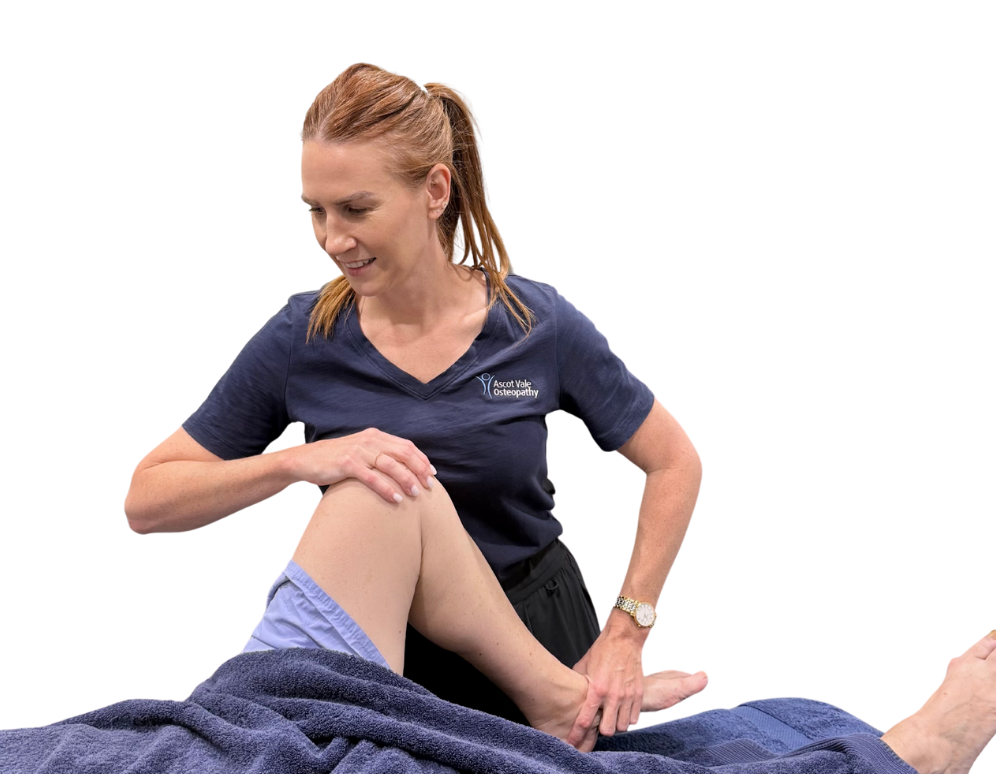
During preventative sessions, your osteopath checks in on your overall movement, posture, and musculoskeletal health. They address any areas of tension or restriction that are building up — often before you’ve even noticed them. It’s hands-on, it’s personalised, and it’s proactive. This is very different from reactive care, where you only show up when something hurts.
Why Do Problems Keep Coming Back?
Here’s the truth most people don’t want to hear: fixing the pain doesn’t fix the cause. Back pain from sitting at a desk all day? Treat it, feel great — then go straight back to the same desk, same posture, same habits. The tension creeps back. The pain returns. And you’re starting from scratch.
This isn’t a failure of treatment. It’s just how bodies work.
We live in bodies that are shaped by everything we do repeatedly — how we sit, stand, sleep, move, and breathe. Those patterns don’t disappear after a few sessions. They need ongoing attention, especially when our daily lives keep reinforcing them.
Preventative osteopathic care is how you break that cycle.
Do You Actually Need It?
Honest answer: not everyone does. But most people benefit from it more than they realise. Here’s who tends to get the most out of regular preventative osteopathic care:
Desk workers and office-based professionals: If you’re sitting for six or more hours a day, your body is under constant postural load. Neck stiffness, tight hips, and lower back tension are almost inevitable. Regular treatment keeps those patterns from turning into chronic pain.
Active people and athletes: Training loads change, seasons shift, and overuse injuries creep up quietly. Regular check-ins help identify imbalances and reduce injury risk — keeping you on the field, track, or court longer.
People managing chronic conditions: Arthritis, scoliosis, chronic low back pain — these conditions don’t disappear. But they can be managed well. Preventative care helps keep your body functioning at its best, even when there’s an underlying condition at play.
New and experienced parents: Pregnancy and postpartum recovery place enormous demand on the body. Ongoing support during and after pregnancy helps you recover faster and feel stronger through every stage.
Anyone over 40 who wants to stay active: As we age, mobility and recovery take more effort. Preventive care helps you maintain the movement quality that lets you keep doing what you love — well into your later years.
The high achievers and the time-poor: If your schedule doesn’t allow for rest, recovery, or consistent exercise, regular osteopathy helps counterbalance the physical cost of a busy life.
What Happens in a Preventative Osteopathic Care Session?
During a preventative appointment your osteopath will assess how your body is moving and feeling. They’ll work through any areas of tension, restriction, or compensation that have developed since your last visit. They’ll check in on how your exercises are going, whether anything in your daily life has changed, and adjust their approach accordingly.
It’s not about “fixing” something broken. It’s about keeping you mobile, comfortable, and ahead of the curve.
How Often Should You Go?
This depends on your body, your lifestyle, and your goals. There’s no one-size-fits-all answer — but here are some general guidelines: Every 4–6 weeks is a common sweet spot for people with physically demanding jobs, high training loads, or a history of recurring injuries. It’s frequent enough to stay on top of tension before it builds into something more significant. Every 6–8 weeks works well for people who are generally active, have good movement habits, and want to maintain the gains from their treatment without weekly appointments. Every 3 months can be appropriate for people who are in good shape, have resolved their main complaint, and just want a regular check-in to catch anything early. Seasonally (4 times per year) is a minimal but still valuable approach — particularly for people who are fit and healthy but want to make sure nothing is quietly building up.
Your osteopath will give you personalised guidance based on what they find in your body. The goal is always to do what’s right for you — not to keep you coming in unnecessarily.
The Bottom Line
Preventative osteopathic care isn’t about dependency. It’s about investment. It’s the difference between waiting until something breaks and choosing to keep it working well. It’s choosing to feel good consistently, not just in the weeks after an injury flares up.
Your body does a lot for you every single day. A little regular care goes a long way. If you’re not sure whether preventative treatment is right for you, have a conversation with your osteopath. They’ll tell you honestly what they recommend — and why.
Ready to stay ahead of it? Book your next appointment with the team at Ascot Vale Osteopathy. We’re here to keep you moving well, for the long run.
Psoas is a strong and powerful muscle, yet often overlooked, and tt can be responsible for a host of ailments.
The Psoas muscle originates from the T12 and Lumbar spinal segments, where it blends in with fibers of the diaphragm (your primary breathing ...
Your core is a group of muscles that sit in your torso. They stabilise and control the pelvis and spine. When most people think of their core, they picture a chiselled six?pack. In reality, the core goes much ...
read more
Websites store cookies to enhance functionality and personalise your experience. You can manage your preferences, but blocking some cookies may impact site performance and services.
Essential cookies enable basic functions and are necessary for the proper function of the website.
Name
Description
Duration
Cookie Preferences
This cookie is used to store the user's cookie consent preferences.
30 days
These cookies are needed for adding comments on this website.
Name
Description
Duration
comment_author
Used to track the user across multiple sessions.
Session
comment_author_email
Used to track the user across multiple sessions.
Session
comment_author_url
Used to track the user across multiple sessions.
Session
Google reCAPTCHA helps protect websites from spam and abuse by verifying user interactions through challenges.
Name
Description
Duration
_GRECAPTCHA
Google reCAPTCHA sets a necessary cookie (_GRECAPTCHA) when executed for the purpose of providing its risk analysis.
179 days
Google Tag Manager simplifies the management of marketing tags on your website without code changes.
Name
Description
Duration
cookiePreferences
Registers cookie preferences of a user
2 years
td
Registers statistical data on users' behaviour on the website. Used for internal analytics by the website operator.
session
Statistics cookies collect information anonymously. This information helps us understand how visitors use our website.
Google Analytics is a powerful tool that tracks and analyzes website traffic for informed marketing decisions.
ID used to identify users for 24 hours after last activity
24 hours
_gat
Used to monitor number of Google Analytics server requests when using Google Tag Manager
1 minute
_gac_
Contains information related to marketing campaigns of the user. These are shared with Google AdWords / Google Ads when the Google Ads and Google Analytics accounts are linked together.
90 days
__utma
ID used to identify users and sessions
2 years after last activity
__utmt
Used to monitor number of Google Analytics server requests
10 minutes
__utmb
Used to distinguish new sessions and visits. This cookie is set when the GA.js javascript library is loaded and there is no existing __utmb cookie. The cookie is updated every time data is sent to the Google Analytics server.
30 minutes after last activity
__utmc
Used only with old Urchin versions of Google Analytics and not with GA.js. Was used to distinguish between new sessions and visits at the end of a session.
End of session (browser)
__utmz
Contains information about the traffic source or campaign that directed user to the website. The cookie is set when the GA.js javascript is loaded and updated when data is sent to the Google Anaytics server
6 months after last activity
__utmv
Contains custom information set by the web developer via the _setCustomVar method in Google Analytics. This cookie is updated every time new data is sent to the Google Analytics server.
2 years after last activity
__utmx
Used to determine whether a user is included in an A / B or Multivariate test.
18 months
_ga
ID used to identify users
2 years
_gali
Used by Google Analytics to determine which links on a page are being clicked
30 seconds
Marketing cookies are used to follow visitors to websites. The intention is to show ads that are relevant and engaging to the individual user.
Google Maps is a web mapping service providing satellite imagery, real-time navigation, and location-based information.
Share this news article online