Request an Appointment

    Full name

    Phone Number

    Email

    Preferred Date

    Preferred Time

    New or existing client

    NewExisting

    Practitioner

    AnyDr Fiona McIntyreDr Matthias HouvenagelDr Chelsey Kedmenec

    Additional Information

    Cork Rollers: The Simple Recovery Tool Your Body Actually Loves Home / Products / Cork Rollers: The Simple Recovery Tool Your Body Actually Loves
    Sore after training? Tight from sitting all day? Feeling “stuck” through your hips, calves, or upper back? A cork roller is one of our favorite at-home recovery tools because it’s simple, effective, and easy to use consistently. No fancy setup. No complicated routine. Just a few minutes to help your body feel looser, move better, and recover faster.

    What is a cork roller (and why cork matters)

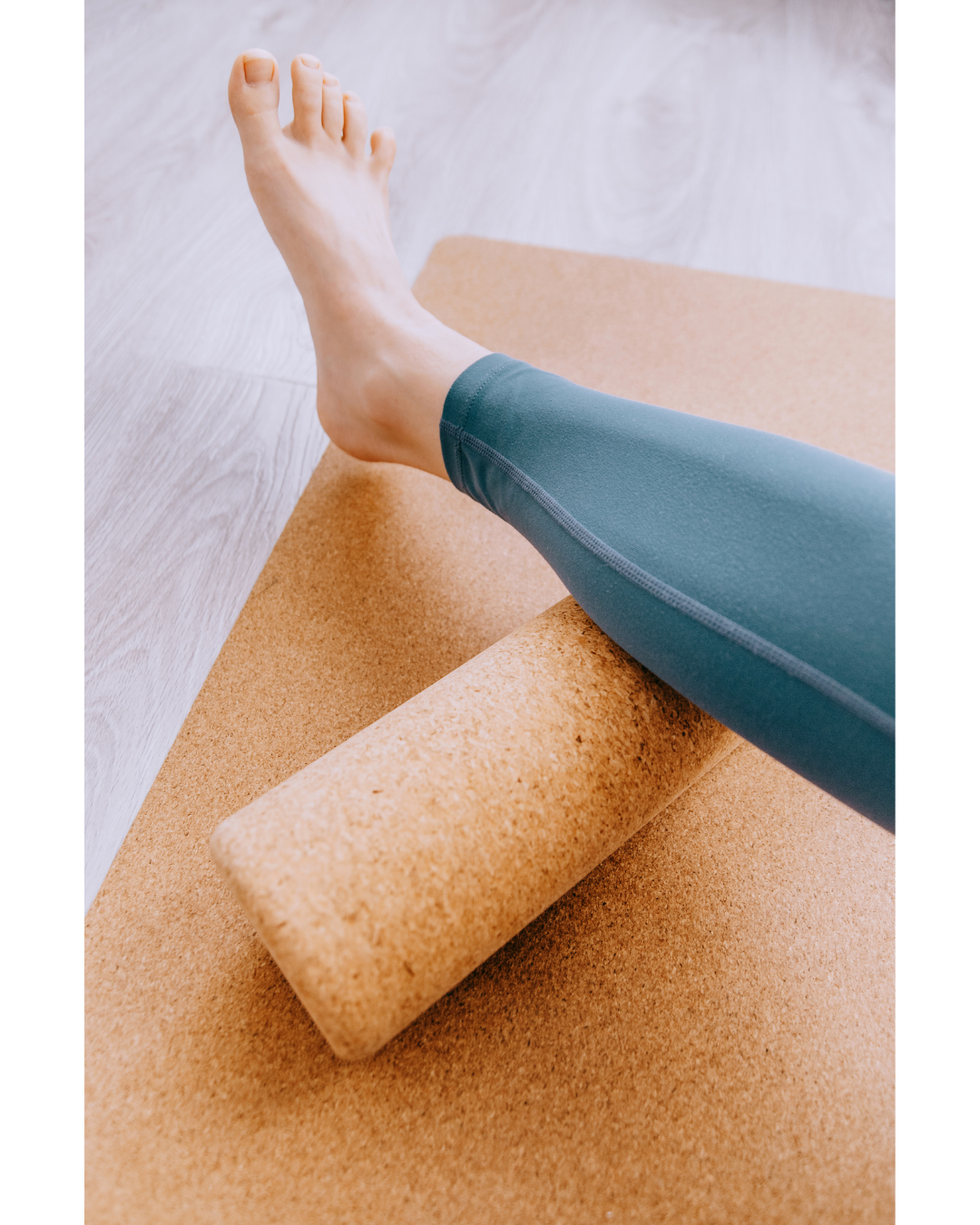
    A cork roller is a foam-roller-style tool made from natural cork rather than synthetic foam. Cork tends to feel firmer and more supportive, which is great if you’ve ever used a soft foam roller and thought: “This isn’t doing much.”

    It’s also:
    • Grippy (less sliding around)
    • Durable (holds its shape)
    • Easy to clean
    • A natural material (a nice bonus if you’re trying to reduce plastics in your home)

    How a cork roller supports recovery

    Let’s keep it real: rolling isn’t “breaking up knots” or “releasing toxins.” But it can be a powerful way to support recovery. Here’s what cork rolling can help with.
    1) It helps your muscles relax (fast): Rolling provides pressure and movement through tissues, which can help your nervous system downshift.
    Translation: your body gets the message that it’s safe to let go of some of that protective tension.
    2) It can reduce post-exercise soreness: After workouts, muscles can feel tender and heavy. Gentle rolling can help you feel less stiff and more comfortable as you recover.
    It won’t replace sleep, hydration, and smart training loads—but it’s a great add-on.
    3) It improves short-term mobility: If your calves, glutes, hip flexors, or upper back feel tight, rolling can temporarily improve how you move.
    That’s useful before:
    • A run or gym session
    • A long day at your desk
    • A walk when you’re feeling stiff
    4) It helps you tune into your body – This is underrated.
    Rolling helps you notice what’s tight, what’s sensitive, and what feels “different” side-to-side. That awareness often leads to better decisions: adjusting training, moving more, or booking in before a niggle becomes a full-blown injury.

    How to use a cork roller (without overdoing it)

    You don’t need to suffer for it to work. Use this simple approach:
    1. Pick one area (e.g., calves, quads, glutes, upper back)
    1. Roll slowly for 30–60 seconds
    1. Pause on a tender spot for 10–20 seconds and breathe
    1. Keep pressure at a “good hurt” (around 5–7/10). Sharp pain is a no.
    Aim for 3–8 minutes total, especially on days you’re sore or sitting a lot.

    Best body areas to roll (and why)

    Calves: Great for runners, walkers, and anyone who feels tight ankles.
    Quads and hip flexors: Helpful if you sit a lot, cycle, or feel front-of-hip tightness.
    Glutes: A go-to for lower back and hip stiffness.
    Upper back (thoracic spine): Perfect for desk posture and that “rounded shoulders” feeling.
    Tip: Avoid aggressive rolling directly on your lower back. If you’re unsure, ask us—we’ll show you safer, more effective options.

    Common mistakes we see (and how to fix them)

    • Rolling too fast: slow down. Your nervous system needs time to respond.
    • Going too hard: more pain doesn’t equal more progress.
    • Only rolling when you’re injured: consistency beats intensity.
    • Skipping movement after: follow rolling with a few gentle stretches or a short walk.

    Who should be cautious with rolling

    Check in with a clinician first if you have:
    • A fresh injury with swelling or bruising
    • Nerve symptoms (significant pins and needles, numbness, weakness)
    • A medical condition affecting sensation or circulation
    And if rolling makes symptoms worse (especially radiating pain), stop and get assessed.

    The bottom line

    A cork roller is a small tool that can make a big difference—especially if you’re dealing with stiffness, training soreness, or desk-related tightness.  Used well, it can help you feel looser, move more freely, recover more comfortably and stay proactive with your body.
    Ready to add one to your recovery kit? If you want a roller that’s firm, durable, and easy to use, our cork roller is a clinic favourite.
    Grab yours from our online shop and start with 5 minutes tonight. Your future self will thank you.

    Leave a Comment

    Your email address will not be published, all comments are approved before posted

    YOU MAY ALSO LIKE...

    Injury Prevention: How accurate can we be?

    Injury prevention is every athlete’s dream. Imagine being able to do what you love—exercise, sport, outdoor activities—without getting injured. While that sounds ideal, the reality is a bit more complex.

    Can we rea...

    read more