Injury Prevention: How accurate can we be?
Injury prevention is every athlete’s dream. Imagine being able to do what you love—exercise, sport, outdoor activities—without getting injured. While that sounds ideal, the reality is a bit more complex.
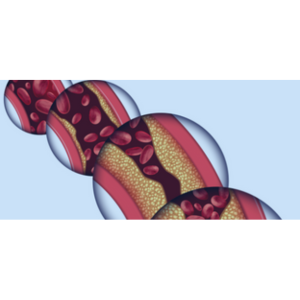
In recent years, cardiovascular diseases have become a leading cause of morbidity and mortality worldwide. Among the numerous factors contributing to these conditions, LDL cholesterol has gained significant attention. LDL, or low-density lipoprotein, cholesterol is often referred to as the “bad” cholesterol due to its role in the development of atherosclerosis and heart disease.
LDL cholesterol is a fatty substance produced naturally by our bodies and obtained through certain foods. Its primary function is to transport cholesterol from the liver to cells throughout the body, providing them with necessary fats for various physiological processes. However, excessive levels of LDL cholesterol can lead to health problems.
High levels of LDL cholesterol in the bloodstream can gradually accumulate within the arterial walls, forming plaques. These plaques, composed of cholesterol, fat, and other substances, narrow the arteries and restrict blood flow. Over time, this process, known as atherosclerosis, can significantly increase the risk of heart attacks, strokes, and other cardiovascular complications.
Maintaining healthy LDL cholesterol levels is crucial for cardiovascular health. Here are some key strategies for managing LDL cholesterol effectively:
While LDL cholesterol is an essential component of our body’s functioning, high levels can pose serious health risks. Understanding the role of LDL cholesterol and adopting a healthy lifestyle, including a better diet, regular exercise, and weight management, can help keep LDL cholesterol in check. Remember, the right knowledge and the right support can go a long way in safeguarding our heart health.
Injury prevention is every athlete’s dream. Imagine being able to do what you love—exercise, sport, outdoor activities—without getting injured. While that sounds ideal, the reality is a bit more complex.
Psoas is a strong and powerful muscle, yet often overlooked, and tt can be responsible for a host of ailments. The Psoas muscle originates from the T12 and Lumbar spinal segments, where it blends in with fibers of the diaphragm (your primary breathing ...
read moreChronic Pain Syndrome a complex, multifactorial condition that affects around 1 in 5 Australians over the age of 45. It is the th...
read more
Thank you for providing such a comprehensive and practical guide. Your blog has become a valuable resource for me, and I’m sure it will help many others on their journey to better manage High cholesterol. Looking forward to more insightful content from you.