Breathing is one of the most basic and fundamental functions of the human body, yet many of us don’t do it well. We often ignore our breathing until it becomes uncomfortable or abnormal. What we don’t always realise is how important our breath is for both our physical and mental wellbeing.
How do we breathe?
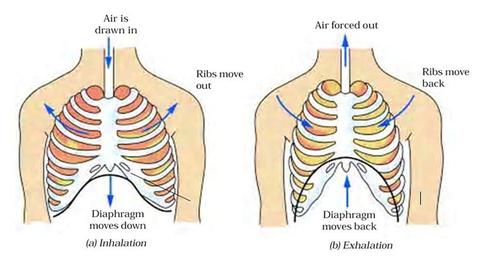
When we breathe in, our diaphragm (the primary breathing muscle) contracts and moves down. This allows the lungs to expand within the chest cavity. The muscles between each rib (the intercostal muscles) help expand the chest wall outwards, creating more space for the lungs to fill with air.
Air enters the lungs through the nose or mouth. Breathing through your nose helps filter, warm and clean the air before it reaches your lungs. Air that enters through the mouth does not go through this filtration process. Over time, this can be less ideal for your body and may increase the risk of certain chronic health issues.
What effect does breathing have on our body?
You might notice that your breathing changes depending on how you feel. Our mental state has a strong effect on our physical state. For example, when you are happy, you smile. When you are sad, you frown.
The same thing happens with breathing. When you feel calm and safe, your breathing is usually deep and slow. In stressful situations, your breathing often becomes short and fast.
This is because your nervous system is involved.
The parasympathetic nervous system produces a relaxing effect and can be stimulated by slow, deep breathing.
The sympathetic nervous system is responsible for the body’s response to stress (the “fight or flight” response). It is associated with short, sharp, shallow breathing and is a sign that you are stressed.
Breathing affects not only your mind, but your body as well. Research shows that the way we breathe can influence the nervous system, hormone production, the fight?or?flight response, stress levels, heart rate and blood pressure.
How to practice proper breathing
Because proper breathing can have so many positive effects on our wellbeing, it makes sense to practise it every day.
A simple way to start is to set aside brief periods of quiet, conscious breathing a few times a day. Aim for 5–10 minutes when you can switch off from everything and relax.
Here are a few breathing techniques you can try:
1. Following your breath
Gently observe your breathing. Notice each inhalation and exhalation. Focus on the sensations of air moving through your nose and throat. When your mind wanders, calmly bring your attention back to your breath.
2. Abdominal breathing
Breathe “through your stomach” as much as possible. Lie on your back and place your hands on your belly. As you inhale, let your belly rise and gently push your hands up. As you exhale, empty your belly first and then your chest until there is no air left. Repeat this several times.
3. Rhythmic breathing
At the end of each inhalation, hold your breath and mentally count “1, 2, 3” before exhaling. This slows your breathing rate and can be especially helpful if you feel anxious.
Regular breathing practice doesn’t need to be complicated or time?consuming to make a difference. Just a few minutes each day can help calm your nervous system, lower stress levels, and support your overall health. If you’re unsure where to start or feel your breathing is linked to pain or tension, chat to your osteopath so we can guide you with personalised advice and exercises.
Injury prevention is every athlete’s dream. Imagine being able to do what you love—exercise, sport, outdoor activities—without getting injured. While that sounds ideal, the reality is a bit more complex.
Psoas is a strong and powerful muscle, yet often overlooked, and tt can be responsible for a host of ailments.
The Psoas muscle originates from the T12 and Lumbar spinal segments, where it blends in with fibers of the diaphragm (your primary breathing ...
Using a heat pack is an easy and effective way to provide temporary pain relief. Heat therapy is commonly recommended to musculoskeletal discomfort, as it help relax muscles, improve circulation, and ease muscle ...
read more
Websites store cookies to enhance functionality and personalise your experience. You can manage your preferences, but blocking some cookies may impact site performance and services.
Essential cookies enable basic functions and are necessary for the proper function of the website.
Name
Description
Duration
Cookie Preferences
This cookie is used to store the user's cookie consent preferences.
30 days
These cookies are needed for adding comments on this website.
Name
Description
Duration
comment_author
Used to track the user across multiple sessions.
Session
comment_author_email
Used to track the user across multiple sessions.
Session
comment_author_url
Used to track the user across multiple sessions.
Session
Google reCAPTCHA helps protect websites from spam and abuse by verifying user interactions through challenges.
Name
Description
Duration
_GRECAPTCHA
Google reCAPTCHA sets a necessary cookie (_GRECAPTCHA) when executed for the purpose of providing its risk analysis.
179 days
Google Tag Manager simplifies the management of marketing tags on your website without code changes.
Name
Description
Duration
cookiePreferences
Registers cookie preferences of a user
2 years
td
Registers statistical data on users' behaviour on the website. Used for internal analytics by the website operator.
session
Statistics cookies collect information anonymously. This information helps us understand how visitors use our website.
Google Analytics is a powerful tool that tracks and analyzes website traffic for informed marketing decisions.
ID used to identify users for 24 hours after last activity
24 hours
_gat
Used to monitor number of Google Analytics server requests when using Google Tag Manager
1 minute
_gac_
Contains information related to marketing campaigns of the user. These are shared with Google AdWords / Google Ads when the Google Ads and Google Analytics accounts are linked together.
90 days
__utma
ID used to identify users and sessions
2 years after last activity
__utmt
Used to monitor number of Google Analytics server requests
10 minutes
__utmb
Used to distinguish new sessions and visits. This cookie is set when the GA.js javascript library is loaded and there is no existing __utmb cookie. The cookie is updated every time data is sent to the Google Analytics server.
30 minutes after last activity
__utmc
Used only with old Urchin versions of Google Analytics and not with GA.js. Was used to distinguish between new sessions and visits at the end of a session.
End of session (browser)
__utmz
Contains information about the traffic source or campaign that directed user to the website. The cookie is set when the GA.js javascript is loaded and updated when data is sent to the Google Anaytics server
6 months after last activity
__utmv
Contains custom information set by the web developer via the _setCustomVar method in Google Analytics. This cookie is updated every time new data is sent to the Google Analytics server.
2 years after last activity
__utmx
Used to determine whether a user is included in an A / B or Multivariate test.
18 months
_ga
ID used to identify users
2 years
_gali
Used by Google Analytics to determine which links on a page are being clicked
30 seconds
Marketing cookies are used to follow visitors to websites. The intention is to show ads that are relevant and engaging to the individual user.
Google Maps is a web mapping service providing satellite imagery, real-time navigation, and location-based information.

Share this news article online