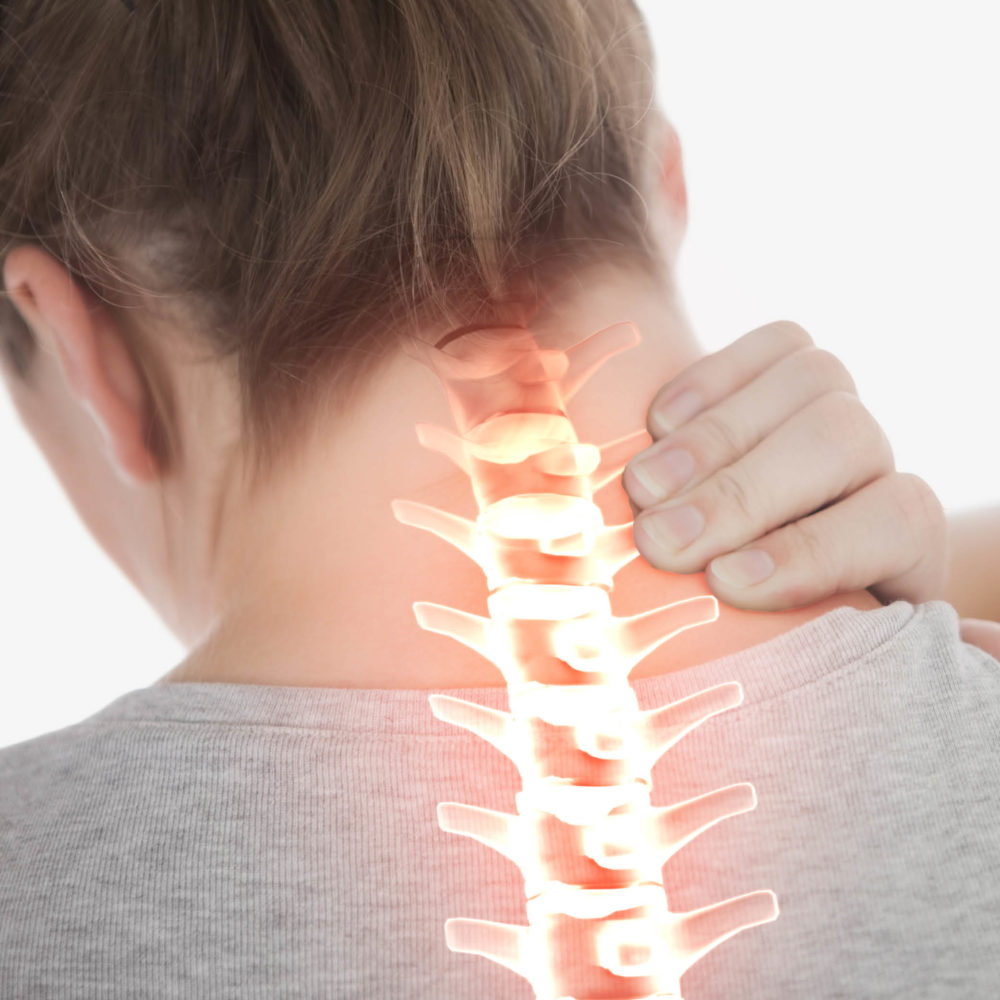
Pain has been a huge topic of discussion for a long time. Nearly everyone feels it, and it varies in character and severity depending on what part of the body is involved. None of us like being in pain, so the first thing we usually do is look for a solution.
It can be a bit of a minefield knowing where to go for good pain relief. Some of us want a quick fix. Others are more interested in fixing the problem long term.
When it comes to the body, we usually feel pain because it is sending us a signal that something is not quite right. That might be due to a simple muscle imbalance or joint restriction, which changes the way we walk or run. It might also be due to something more serious, like a tear of a muscle or tendon, or a problem with an organ deep inside the body. The list of causes is long and complex.
Once we have pain, we want to know how to get rid of it. Many of us turn to the experts, such as manual therapists (like your local osteopath) and doctors. Some of us like to self?diagnose using “Dr Internet” (do this at your peril!).
So, what is out there to help relieve pain?
Manual therapy
Humans have been using their hands to treat the body for a very long time. If you walk into a clinic in pain, whether you have a swollen ankle or you cannot lift your arm above your head, your therapist will get to work using a range of techniques (after carefully and correctly diagnosing you, of course).
Soft tissue massage and release techniques are widely used in the management of musculoskeletal pain, and evidence suggests you are not wasting your time by getting help from your local therapist.
Your therapist may also use other techniques, including joint mobilisation and manipulation, to help correct the problem and reduce your pain. Usually, you will also be given flexibility or strengthening exercises to perform between treatment sessions to back up what happens in the treatment room.
Heat and cold therapy
If you have hurt yourself in the past, there is a good chance you have tried some form of temperature?based treatment to help relieve the pain. It can be difficult to know whether it is best to use heat or cold therapy, but the following principles are generally safe to follow.
Cold therapy can help reduce pain, blood flow, swelling, muscle spasm, and inflammation. Heat therapy can help relieve pain, increase blood flow, and improve tissue elasticity.
Although more evidence is needed to fully support the use of these therapies in certain scenarios, they may help. It is worth getting advice from your local osteopath about the best approach for you.
Medication
There are countless different medications that can help with pain relief. These are called analgesics. Broadly, they can be split into non?opioid and opioid analgesics.
Non?opioid analgesics include well?known and easily accessible medications such as aspirin, paracetamol, and anti?inflammatories (such as ibuprofen). These are generally useful for the control of musculoskeletal pain. Opioid analgesics are used for more severe pain and include codeine, tramadol, and morphine. These are not available over the counter. It is always safest to consult a medical professional before using any form of medication.
When to seek help
If you are injured or in pain, we recommend booking a consultation at Ascot Vale Osteopathy HERE. We can talk through your problem, assess you thoroughly, and advise the best course of action for you.
Our aim is to help get you out of pain and moving better again.
In recent years, cardiovascular diseases have become a leading cause of morbidity and mortality worldwide. Among the numerous factors contributing to these conditions, LDL cholesterol has gained significant attention. LDL, or ...
Psoas is a strong and powerful muscle, yet often overlooked, and tt can be responsible for a host of ailments.
The Psoas muscle originates from the T12 and Lumbar spinal segments, where it blends in with fibers of the diaphragm (your primary breathing ...
Have you ever wondered why your osteopath asks you to walk back and forth while carefully observing your every step? We promise it’s not just for entertainment purposes or to make you feel self-conscious. Gait analysis is...
Injury prevention is every athlete’s dream. Imagine being able to do what you love—exercise, sport, outdoor activities—without getting injured. While that sounds ideal, the reality is a bit more complex.
Websites store cookies to enhance functionality and personalise your experience. You can manage your preferences, but blocking some cookies may impact site performance and services.
Essential cookies enable basic functions and are necessary for the proper function of the website.
Name
Description
Duration
Cookie Preferences
This cookie is used to store the user's cookie consent preferences.
30 days
These cookies are needed for adding comments on this website.
Name
Description
Duration
comment_author
Used to track the user across multiple sessions.
Session
comment_author_email
Used to track the user across multiple sessions.
Session
comment_author_url
Used to track the user across multiple sessions.
Session
Google reCAPTCHA helps protect websites from spam and abuse by verifying user interactions through challenges.
Name
Description
Duration
_GRECAPTCHA
Google reCAPTCHA sets a necessary cookie (_GRECAPTCHA) when executed for the purpose of providing its risk analysis.
179 days
Google Tag Manager simplifies the management of marketing tags on your website without code changes.
Name
Description
Duration
cookiePreferences
Registers cookie preferences of a user
2 years
td
Registers statistical data on users' behaviour on the website. Used for internal analytics by the website operator.
session
Statistics cookies collect information anonymously. This information helps us understand how visitors use our website.
Google Analytics is a powerful tool that tracks and analyzes website traffic for informed marketing decisions.
ID used to identify users for 24 hours after last activity
24 hours
_gat
Used to monitor number of Google Analytics server requests when using Google Tag Manager
1 minute
_gac_
Contains information related to marketing campaigns of the user. These are shared with Google AdWords / Google Ads when the Google Ads and Google Analytics accounts are linked together.
90 days
__utma
ID used to identify users and sessions
2 years after last activity
__utmt
Used to monitor number of Google Analytics server requests
10 minutes
__utmb
Used to distinguish new sessions and visits. This cookie is set when the GA.js javascript library is loaded and there is no existing __utmb cookie. The cookie is updated every time data is sent to the Google Analytics server.
30 minutes after last activity
__utmc
Used only with old Urchin versions of Google Analytics and not with GA.js. Was used to distinguish between new sessions and visits at the end of a session.
End of session (browser)
__utmz
Contains information about the traffic source or campaign that directed user to the website. The cookie is set when the GA.js javascript is loaded and updated when data is sent to the Google Anaytics server
6 months after last activity
__utmv
Contains custom information set by the web developer via the _setCustomVar method in Google Analytics. This cookie is updated every time new data is sent to the Google Analytics server.
2 years after last activity
__utmx
Used to determine whether a user is included in an A / B or Multivariate test.
18 months
_ga
ID used to identify users
2 years
_gali
Used by Google Analytics to determine which links on a page are being clicked
30 seconds
Marketing cookies are used to follow visitors to websites. The intention is to show ads that are relevant and engaging to the individual user.
Google Maps is a web mapping service providing satellite imagery, real-time navigation, and location-based information.


Share this news article online