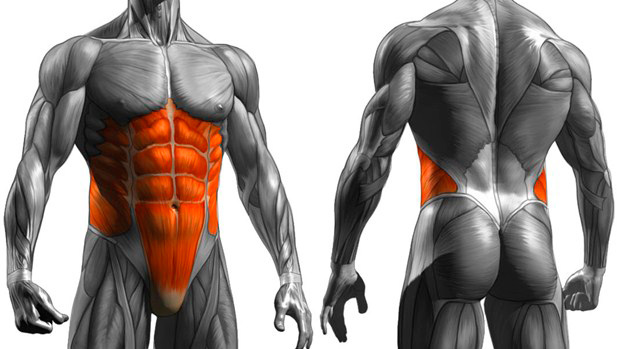
Your core is a group of muscles that sit in your torso. They stabilise and control the pelvis and spine. When most people think of their core, they picture a chiselled six?pack. In reality, the core goes much deeper than that, and it’s important to focus on all the core muscles when strengthening—not just the ones that look good.
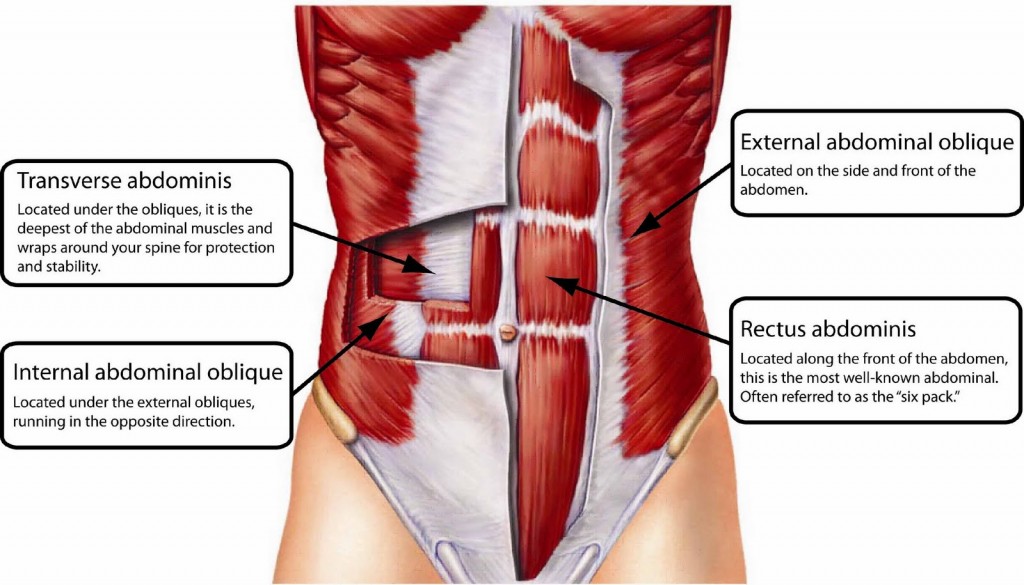
Your core is made up of the pelvic floor muscles, the diaphragm, Transverse Abdominis (deep core muscles), Multifidus (deep spinal muscle), the external and internal obliques (twisting muscles) and the rectus abdominis.
The core is responsible for taking pressure off your spine and promoting smooth, efficient movement. In simple tasks such as standing up from a chair or getting out of bed, your core should engage to spread forces evenly through your body.
For athletes, a strong core improves efficiency, leading to better performance, increased strength and power, and a lower risk of injury. Overall, having a strong core makes movement easier, helps prevent overuse injuries and supports recovery from acute injuries.
Benefits of a strong core
Think of your core as the central link in the chain between your upper and lower body. It is called on countless times throughout the day. Every step you take requires core activation. If your core is strong, everyday tasks become easier and more efficient.
Improving strength through your core and pelvis can have positive effects on pain levels and function. As we age, our spine undergoes degenerative changes in the bones and cartilage. Strong postural muscles can help manage and ease symptoms associated with this. A strong core also improves posture and helps your spinal curves sit within normal ranges, which reduces stress on spinal structures. Most importantly, your core helps stabilise your body, allowing you to move in any direction with balance and ease. A stronger core can lower your risk of falls because you are better able to hold yourself upright and maintain balance.
How do I strengthen my core?
The simple answer: by doing regular exercises that target all the muscles of your core. It’s also important to work the surrounding muscles, such as the hips and back. If you go to the gym or see a personal trainer, adding 2–3 core exercises per session will help build core strength. If you’ve never trained your core before and want a simple routine to do at home or in the park, start gently. Like any new exercise program, you need to learn your limits so you don’t push too hard and end up very sore.
Here is a simple starter routine to begin building a stronger core:
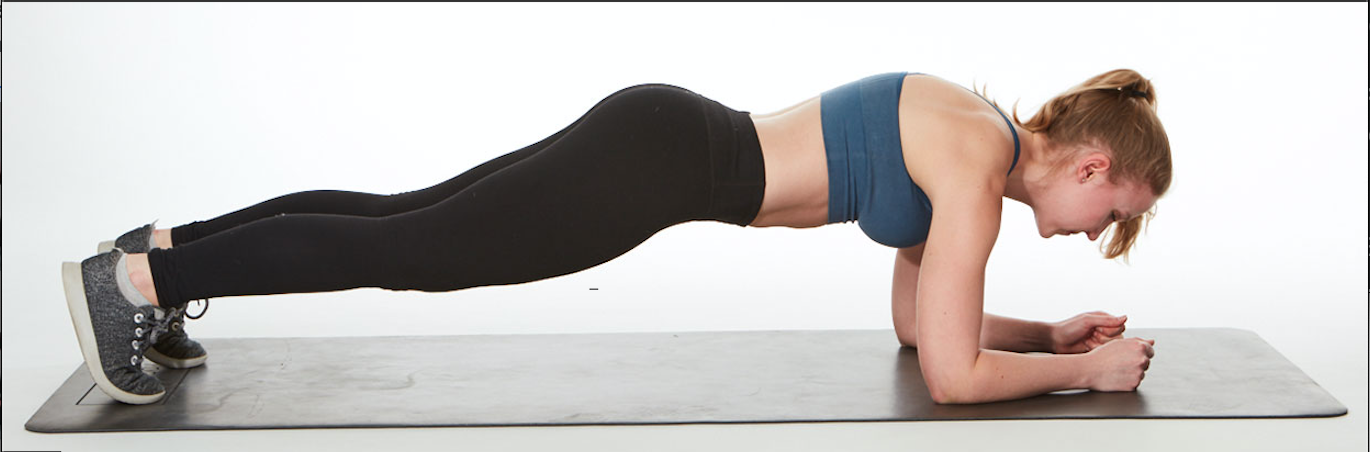
Plank – 30 seconds on 1-minute rest x 5 sets
Support your body on your forearms and toes while holding your body in a straight line from your shoulders to your ankles. If you find this position too hard, you can try it with you knees on the ground.
Deadbug – 10 repetition x 5 sets
Lie on your back with your arms extended straight up towards the ceiling and your legs raised with your knees bent at 90 degrees. Before you begin moving limbs, make sure your lower back is flat against the surface. Proceed to straighten your right leg, then bring it back, then alternate to your left leg. If moving just your legs becomes too easy, you can lower your right arm and left leg at the same time and then do the same with the opposite limbs.
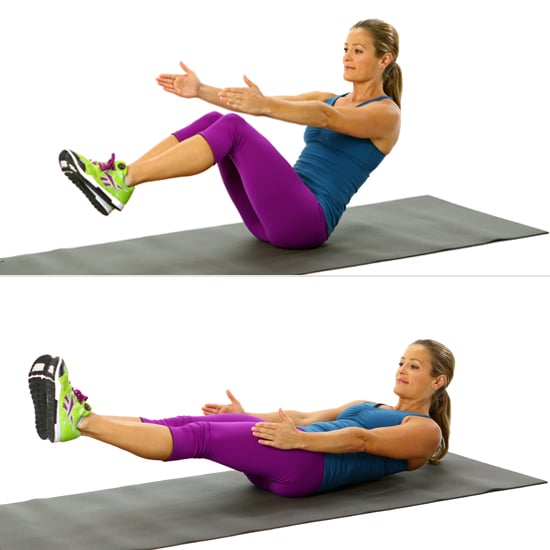
Boat – 30 seconds on 1-minute rest x 5 sets
Sit on the floor with bent knees. Lean back slightly, keeping your back straight and hold your arms out in front of you as you raise your feet off the ground with your legs together.
Using a heat pack is an easy and effective way to provide temporary pain relief. Heat therapy is commonly recommended to musculoskeletal discomfort, as it help relax muscles, improve circulation, and ease muscle ...
read more
Websites store cookies to enhance functionality and personalise your experience. You can manage your preferences, but blocking some cookies may impact site performance and services.
Essential cookies enable basic functions and are necessary for the proper function of the website.
Name
Description
Duration
Cookie Preferences
This cookie is used to store the user's cookie consent preferences.
30 days
These cookies are needed for adding comments on this website.
Name
Description
Duration
comment_author
Used to track the user across multiple sessions.
Session
comment_author_email
Used to track the user across multiple sessions.
Session
comment_author_url
Used to track the user across multiple sessions.
Session
Google reCAPTCHA helps protect websites from spam and abuse by verifying user interactions through challenges.
Name
Description
Duration
_GRECAPTCHA
Google reCAPTCHA sets a necessary cookie (_GRECAPTCHA) when executed for the purpose of providing its risk analysis.
179 days
Google Tag Manager simplifies the management of marketing tags on your website without code changes.
Name
Description
Duration
cookiePreferences
Registers cookie preferences of a user
2 years
td
Registers statistical data on users' behaviour on the website. Used for internal analytics by the website operator.
session
Statistics cookies collect information anonymously. This information helps us understand how visitors use our website.
Google Analytics is a powerful tool that tracks and analyzes website traffic for informed marketing decisions.
ID used to identify users for 24 hours after last activity
24 hours
_gat
Used to monitor number of Google Analytics server requests when using Google Tag Manager
1 minute
_gac_
Contains information related to marketing campaigns of the user. These are shared with Google AdWords / Google Ads when the Google Ads and Google Analytics accounts are linked together.
90 days
__utma
ID used to identify users and sessions
2 years after last activity
__utmt
Used to monitor number of Google Analytics server requests
10 minutes
__utmb
Used to distinguish new sessions and visits. This cookie is set when the GA.js javascript library is loaded and there is no existing __utmb cookie. The cookie is updated every time data is sent to the Google Analytics server.
30 minutes after last activity
__utmc
Used only with old Urchin versions of Google Analytics and not with GA.js. Was used to distinguish between new sessions and visits at the end of a session.
End of session (browser)
__utmz
Contains information about the traffic source or campaign that directed user to the website. The cookie is set when the GA.js javascript is loaded and updated when data is sent to the Google Anaytics server
6 months after last activity
__utmv
Contains custom information set by the web developer via the _setCustomVar method in Google Analytics. This cookie is updated every time new data is sent to the Google Analytics server.
2 years after last activity
__utmx
Used to determine whether a user is included in an A / B or Multivariate test.
18 months
_ga
ID used to identify users
2 years
_gali
Used by Google Analytics to determine which links on a page are being clicked
30 seconds
Marketing cookies are used to follow visitors to websites. The intention is to show ads that are relevant and engaging to the individual user.
Google Maps is a web mapping service providing satellite imagery, real-time navigation, and location-based information.

Share this news article online