
Request an Appointment

    Full name

    Phone Number

    Email

    Preferred Date

    Preferred Time

    New or existing client

    NewExisting

    Practitioner

    AnyDr Fiona McIntyreDr Matthias HouvenagelDr Chelsey Kedmenec

    Additional Information

    Movement + Rehab sessions now available - Call 93704033 to book now!
    Why Do Things Hurt When We Sit All Day? Home / Blog / Why Do Things Hurt When We Sit All Day?
    Modern life and advancing technology have pushed many of us into a more sedentary lifestyle. During COVID?19 lockdowns, a typical day for many people was: get out of bed, walk to the lounge room or study, sit for 8–10 hours to work, then move to the couch to watch TV, and finally back to bed. Even if you managed to squeeze in a walk or home workout, most of the day was still spent sitting.
    Now that life is closer to normal, it’s a good time to look at how we can reduce the negative impact of all that sitting.

    What happens when we sit?

    For many jobs, sitting is unavoidable. The key is what you do with the time when you’re not sitting.
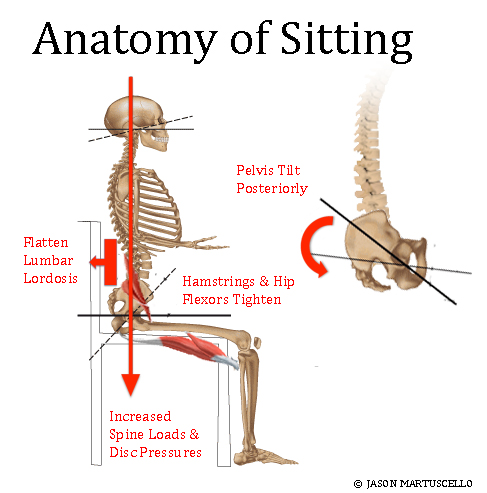
    Long periods of sitting can cause parts of your body to become deconditioned. The joints around your hips, pelvis and spine can become compressed and stiff, which reduces their ability to move well.
    Muscles that aren’t used regularly become “switched off”. Everyday tasks like standing up or walking can start to feel harder because your body isn’t used to moving. Each time you stand up from your desk and walk around, you activate your muscles. Over time, this makes daily tasks easier because your body becomes more efficient.
    When you use your muscles, they draw sugar and fat from your bloodstream to use as energy. This helps reduce the risk of heart disease, weight gain and type 2 diabetes.


    Posture and sitting

    Two big factors matter when it comes to sitting:
    • How long you sit
    • The posture you sit in
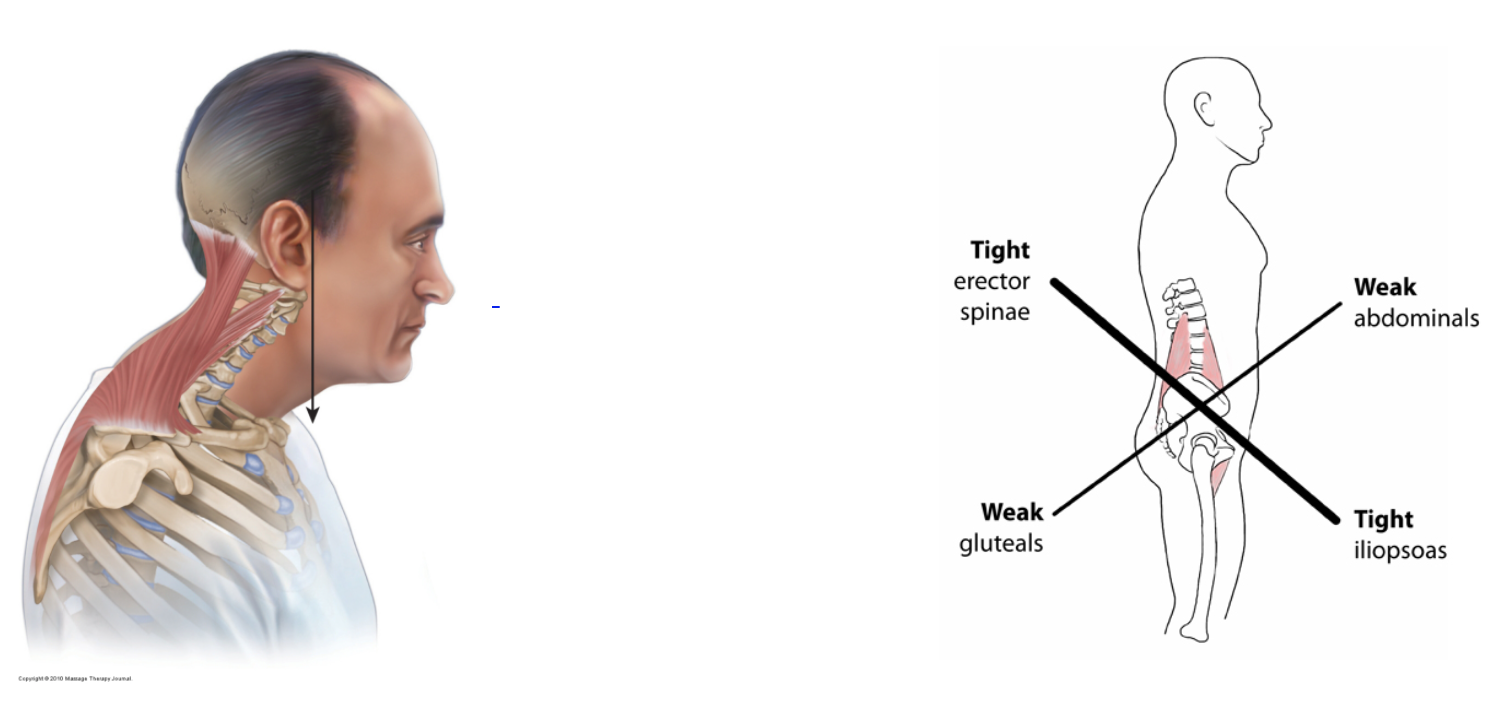
    Most of us drift into a slumped, forward?bent posture. This places extra strain on the spine—on the discs, joints, ligaments and surrounding muscles.
    Common effects of prolonged sitting include:
    • Tight, shortened hip flexors
    • Stretched and weakened gluteal muscles and hamstrings
    • A weaker core, because it’s not being used to support you
    All of this can increase your risk of back pain and injury.


    Sitting and breathing

    Sitting in a slouched posture also affects your breathing. Ideally, your abdominal and pelvic diaphragms work together to support smooth, efficient breathing. When you sit, especially in a slumped position, gravity and pressure can interfere with this.
    The result is often shallow breathing, which reduces the amount of oxygen you take in and can contribute to fatigue and tension.


    How can you counteract the negative impact of sitting?

    How can you counteract the effects of sitting?

    If you sit for long, uninterrupted periods, it might be time to adjust your habits. The best approach is to start small and build up gradually.

    1. Move every 30 minutes

    Set a timer for every 30 minutes. When it goes off, stand up and move around for 1–2 minutes. You might:
    • Walk to get a glass of water
    • Do a few gentle stretches
    • Walk around the room
    It doesn’t seem like much, but over an 8?hour day it adds up. These short breaks keep your muscles active and help your body use more energy than if you stayed seated.

    2. Use a standing desk (or improvise one)

    A standing desk doesn’t mean standing all day. The goal is to alternate between sitting and standing. Changing position regularly helps keep your joints and muscles working and reduces the strain of staying in one posture.
    You can:
    • Stand for part of each hour
    • Sit when you feel tired, then stand again later
    This follows the same principle as moving every 30 minutes—keep changing your position.


    3. Exercise before, during or after work

    The most powerful change you can make is to include regular exercise in your routine. Exercise:
    • Supports physical health
    • Boosts mental health and mood
    • Improves productivity and focus
    • Makes your body more resilient to the demands of daily life
    The fitter and stronger you are, the less impact long periods of sitting will have on you.


    3. Exercise before, during or after work

    The most powerful change you can make is to include regular exercise in your routine. Exercise:
    • Supports physical health
    • Boosts mental health and mood
    • Improves productivity and focus
    • Makes your body more resilient to the demands of daily life
    The fitter and stronger you are, the less impact long periods of sitting will have on you.


    Leave a Comment

    Your email address will not be published, all comments are approved before posted

    YOU MAY ALSO LIKE...

    Anti-Inflammation Diet

    There is a lot of interest in anti?inflammatory diets at the moment, and for good reason. Chronic inflammation is very common a...

    read more

    Take A Deep Breath

    Breathing is one of the most basic and fundamental functions of the human body, yet many of us don’t do it well. We often ignore our breathing until it becomes uncomfortable or abnormal. What we don’t always realise is how important our breath is for ...

    read more

    Injury Prevention: How accurate can we be?

    Injury prevention is every athlete’s dream. Imagine being able to do what you love—exercise, sport, outdoor activities—without getting injured. While that sounds ideal, the reality is a bit more complex.

    Can we rea...

    read more