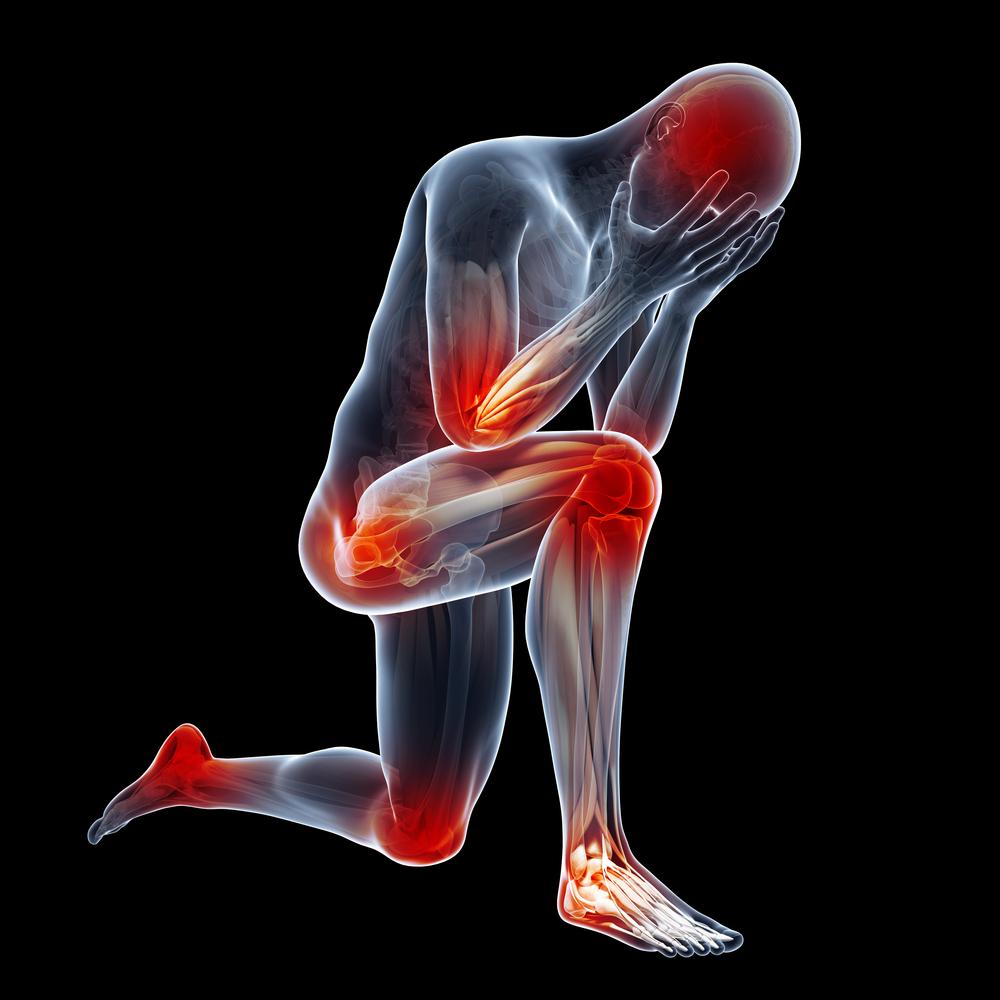
Pain is an unpleasant, subjective experience that is associated with actual or potential tissue damage. Physiologically, pain is critical for survival. However, when pain starts to affect our quality of life, we naturally ask, “How do I get rid of this feeling?”
Before we dive in, it’s important to note that pain is a very complex experience. In this blog, we are mainly talking about acute and chronic musculoskeletal pain.
Why do we feel pain?
To understand how to beat pain, we first need to understand how it works.
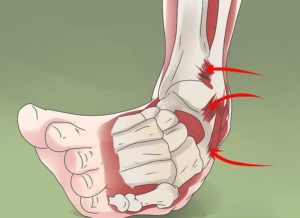
Imagine you twist and roll your ankle. Within a second you feel sharp pain and might find yourself on the floor. Within minutes, your ankle is sore and swollen, and you are frustrated because you now have a “busted” ankle.
So, what happens physiologically in this short period of time?
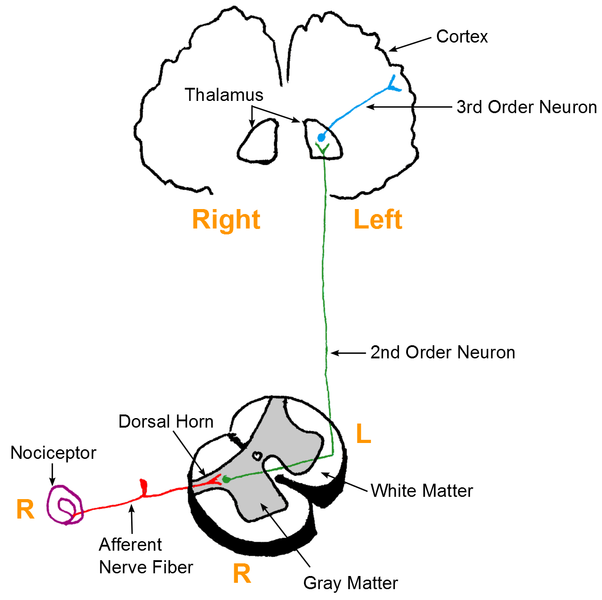
When you roll your ankle, inflammatory chemicals are released into the area. These chemicals stimulate nerve endings called nociceptors.
Nociceptors are present in most of our body’s tissues (muscles, ligaments, organs, etc.) and are activated by damaging or potentially harmful stimuli. When nociceptors are stimulated, they send a pain signal from the injured tissue to the spinal cord.
Once the pain signal reaches the spinal cord, it is transmitted up to the brainstem and thalamus. These areas act like sorting centres for your brain. The signal is then directed to several regions of the brain that process pain. When these areas are activated, your brain creates the perception of pain.
If a body part is in pain, your brain believes that area is in danger. To reduce pain, we need to reduce aggravation, “reassure” the brain, and increase its confidence in your body’s tissues.
How osteopathy can help
Manual therapies, such as osteopathy, have been shown to be helpful in managing pain.
Osteopaths can diagnose your injury and identify the causes and aggravating factors behind your pain. This step is essential for recovery. Once we know what is aggravating your pain, we may temporarily avoid that activity to allow the area to heal. This reduces the pain signals sent to your brain and starts to restore your brain’s confidence in the tissues.
For example, if your rolled ankle hurts when walking upstairs, we may suggest avoiding stairs for a short period while the ankle recovers.
As your pain settles, we introduce rehabilitation exercises to improve strength and biomechanics.
The role of rehabilitation exercises
Rehabilitation exercises are vital because they help “switch on” muscles and improve how your joints and tissues function. Exercises might be as simple as a hamstring stretch or as challenging as a single?leg squat.
Stretching aims to improve the range of motion of muscles and joints.
Resistance training helps improve movement patterns, strength and confidence in your muscles and joints.
Using a combination of stretching and strengthening will improve your biomechanics overall, which usually leads to less pain.
Our goal with treatment and rehab is to make sure that activities that once caused pain no longer do. By improving how your body moves as a whole, we reduce the chance that joints or muscles become overloaded, dysfunctional and painful.
Pain is a complex experience influenced by many factors. What we have outlined here is a simple, practical way to approach common musculoskeletal injuries.
If you would like more information or feel pain is affecting your daily life, get in touch with us so we can assess your situation and guide you through the best next steps. You can book you next appointment HERE.
Psoas is a strong and powerful muscle, yet often overlooked, and tt can be responsible for a host of ailments.
The Psoas muscle originates from the T12 and Lumbar spinal segments, where it blends in with fibers of the diaphragm (your primary breathing ...
Your core is a group of muscles that sit in your torso. They stabilise and control the pelvis and spine. When most people think of their core, they picture a chiselled six?pack. In reality, the core goes much ...
read more
Websites store cookies to enhance functionality and personalise your experience. You can manage your preferences, but blocking some cookies may impact site performance and services.
Essential cookies enable basic functions and are necessary for the proper function of the website.
Name
Description
Duration
Cookie Preferences
This cookie is used to store the user's cookie consent preferences.
30 days
These cookies are needed for adding comments on this website.
Name
Description
Duration
comment_author
Used to track the user across multiple sessions.
Session
comment_author_email
Used to track the user across multiple sessions.
Session
comment_author_url
Used to track the user across multiple sessions.
Session
Google reCAPTCHA helps protect websites from spam and abuse by verifying user interactions through challenges.
Name
Description
Duration
_GRECAPTCHA
Google reCAPTCHA sets a necessary cookie (_GRECAPTCHA) when executed for the purpose of providing its risk analysis.
179 days
Google Tag Manager simplifies the management of marketing tags on your website without code changes.
Name
Description
Duration
cookiePreferences
Registers cookie preferences of a user
2 years
td
Registers statistical data on users' behaviour on the website. Used for internal analytics by the website operator.
session
Statistics cookies collect information anonymously. This information helps us understand how visitors use our website.
Google Analytics is a powerful tool that tracks and analyzes website traffic for informed marketing decisions.
ID used to identify users for 24 hours after last activity
24 hours
_gat
Used to monitor number of Google Analytics server requests when using Google Tag Manager
1 minute
_gac_
Contains information related to marketing campaigns of the user. These are shared with Google AdWords / Google Ads when the Google Ads and Google Analytics accounts are linked together.
90 days
__utma
ID used to identify users and sessions
2 years after last activity
__utmt
Used to monitor number of Google Analytics server requests
10 minutes
__utmb
Used to distinguish new sessions and visits. This cookie is set when the GA.js javascript library is loaded and there is no existing __utmb cookie. The cookie is updated every time data is sent to the Google Analytics server.
30 minutes after last activity
__utmc
Used only with old Urchin versions of Google Analytics and not with GA.js. Was used to distinguish between new sessions and visits at the end of a session.
End of session (browser)
__utmz
Contains information about the traffic source or campaign that directed user to the website. The cookie is set when the GA.js javascript is loaded and updated when data is sent to the Google Anaytics server
6 months after last activity
__utmv
Contains custom information set by the web developer via the _setCustomVar method in Google Analytics. This cookie is updated every time new data is sent to the Google Analytics server.
2 years after last activity
__utmx
Used to determine whether a user is included in an A / B or Multivariate test.
18 months
_ga
ID used to identify users
2 years
_gali
Used by Google Analytics to determine which links on a page are being clicked
30 seconds
Marketing cookies are used to follow visitors to websites. The intention is to show ads that are relevant and engaging to the individual user.
Google Maps is a web mapping service providing satellite imagery, real-time navigation, and location-based information.
Share this news article online