
Request an Appointment

    Full name

    Phone Number

    Email

    Preferred Date

    Preferred Time

    New or existing client

    NewExisting

    Practitioner

    AnyDr Fiona McIntyreDr Matthias HouvenagelDr Chelsey Kedmenec

    Additional Information

    Movement + Rehab sessions now available - Call 93704033 to book now!
    The Effect of Stress on your Immune System Home / Blog / The Effect of Stress on your Immune System
    Life right now can feel very stressful, especially with events like COVID 19 and all the uncertainty that comes with it. Things are happening that many of us have never experienced before, which can feel scary and confronting. It is completely normal to feel anxious in a situation you have never faced. However, too much anxiety and stress can weaken your immune system and leave you more prone to infection and illness.
    Stress itself is confusing and temperamental. Sometimes it can motivate you and help you rise to the occasion. Other times it can feel overwhelming and exhausting. When stress becomes chronic, it starts to have negative effects on your health.

    What happens when we stress?

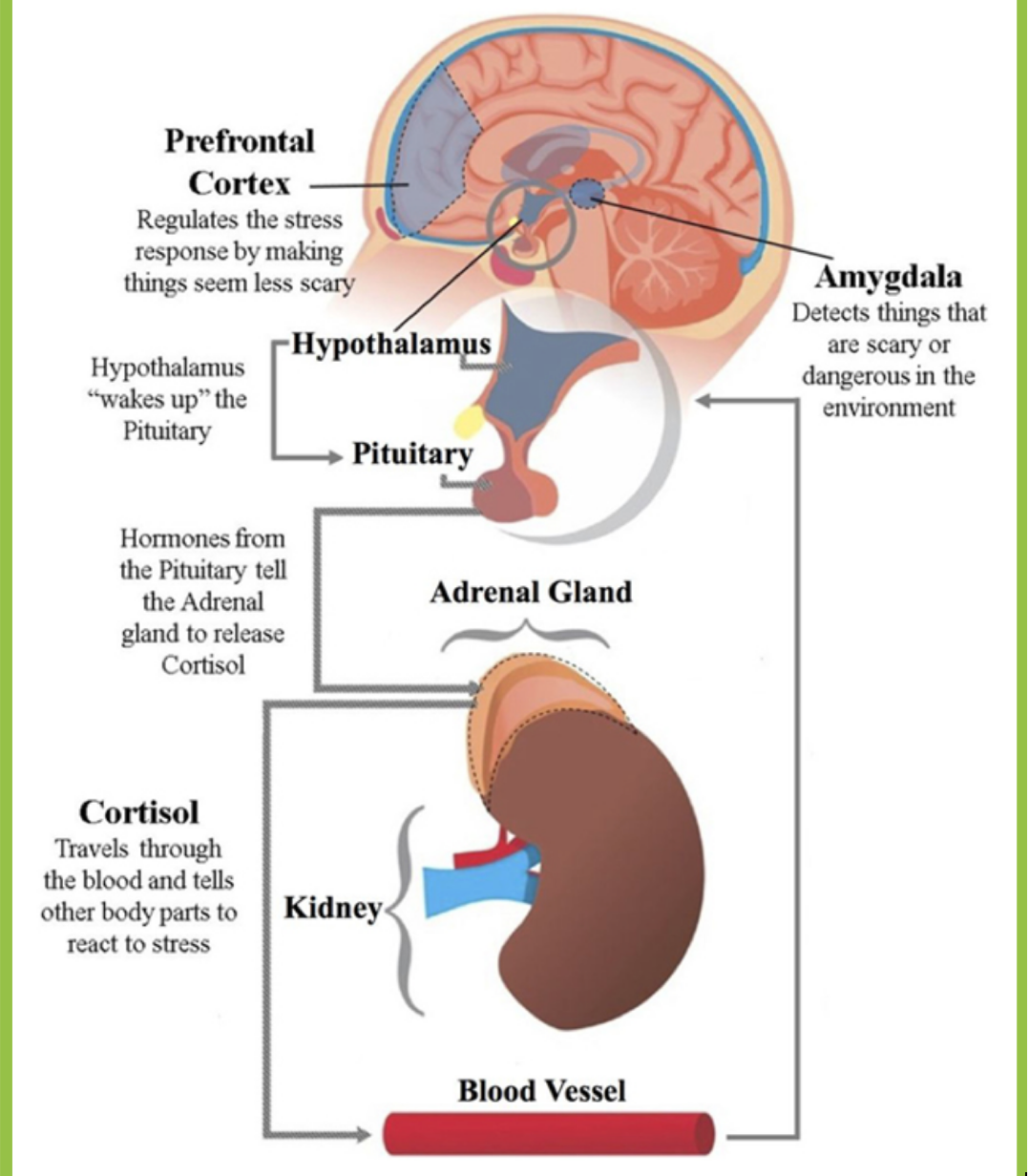
    The stress cycle begins with an external stressor, or trigger. This could be anything from watching your favourite AFL team in a Grand Final to hearing a snarky comment from a work colleague. All your senses switch on and start scanning for danger. They assess whether the environment is safe or not. This automatic ability is called neuroception, and it happens without you even realising. If your senses detect a threat, a signal is sent to a part of your brain called the amygdala, which processes emotions. Once the amygdala is triggered, it sends a signal to the hypothalamus and pituitary gland. These areas help maintain balance in your body. They communicate via the autonomic nervous system, which controls functions such as heart rate and blood pressure without your conscious input.
    When the hypothalamus and pituitary gland detect danger, the sympathetic nervous system is activated. This is the “fight or flight” side of your autonomic nervous system. Stress hormones such as cortisol and adrenaline are released. These stimulate the fight or flight response and excite your cardiovascular and musculoskeletal systems.
    When your sympathetic nervous system is switched on, the parasympathetic nervous system is suppressed, as they cannot both be active at the same time. The parasympathetic system is responsible for “rest and digest” functions. When it is suppressed, your immune and digestive systems stand down.
    If you stay stressed for a long period of time, your immune system stays suppressed for a long period too. This can lead to frequent illness and infection because your body is less able to fight off bugs. Chronic stress also increases your risk of developing heart and digestive disorders.

    How to de?stress

    Sleep
    Good quality sleep helps you feel refreshed in the morning and ready to face the day. A regular, healthy sleep routine can improve your productivity and your mindset.

    Exercise
    Physical activity triggers the release of mood?boosting chemicals called endorphins. Exercise helps you de?stress and also improves your physical health. It can lower blood pressure, strengthen muscles and help you maintain a healthy weight.

    Meditate
    Meditation and mindfulness techniques have been shown to reduce risk factors for heart disease, such as high blood pressure. Meditation also encourages deep breathing, which is another powerful relaxation tool for both mind and body.

    Disconnect
    Sometimes it helps to put your phone, computer or tablet away. Taking a break from the news and social media lets you step back from the problems of the world. Even 10–15 minutes of switching off can have a positive effect on your mindset.

    Do the things you love
    Make time for activities you enjoy. Doing things you love brings a sense of satisfaction and can leave you feeling calmer and happier.


    Leave a Comment

    Your email address will not be published, all comments are approved before posted

    YOU MAY ALSO LIKE...

    Protect Your Shoulders

    Let’s talk about one of the most functional, but prone to injury areas in the human body, the shoulder complex.

     Shoulder Anatomy

    The shoulder is comprised of three bo...

    read more

    Love your knees!

    The knee joint is the largest joint in the human body. It is also quite complex, as it is actually made up of two joints. Three...

    read more

    Take A Deep Breath

    Breathing is one of the most basic and fundamental functions of the human body, yet many of us don’t do it well. We often ignore our breathing until it becomes uncomfortable or abnormal. What we don’t always realise is how important our breath is for ...

    read more