Request an Appointment

    Full name

    Phone Number

    Email

    Preferred Date

    Preferred Time

    New or existing client

    NewExisting

    Practitioner

    AnyDr Fiona McIntyreDr Matthias HouvenagelDr Chelsey Kedmenec

    Additional Information

    Movement + Rehab sessions now available - Call 93704033 to book now!
    Manual Therapy and Exercise – A Recipe for Success Home / Blog / Manual Therapy and Exercise – A Recipe for Success
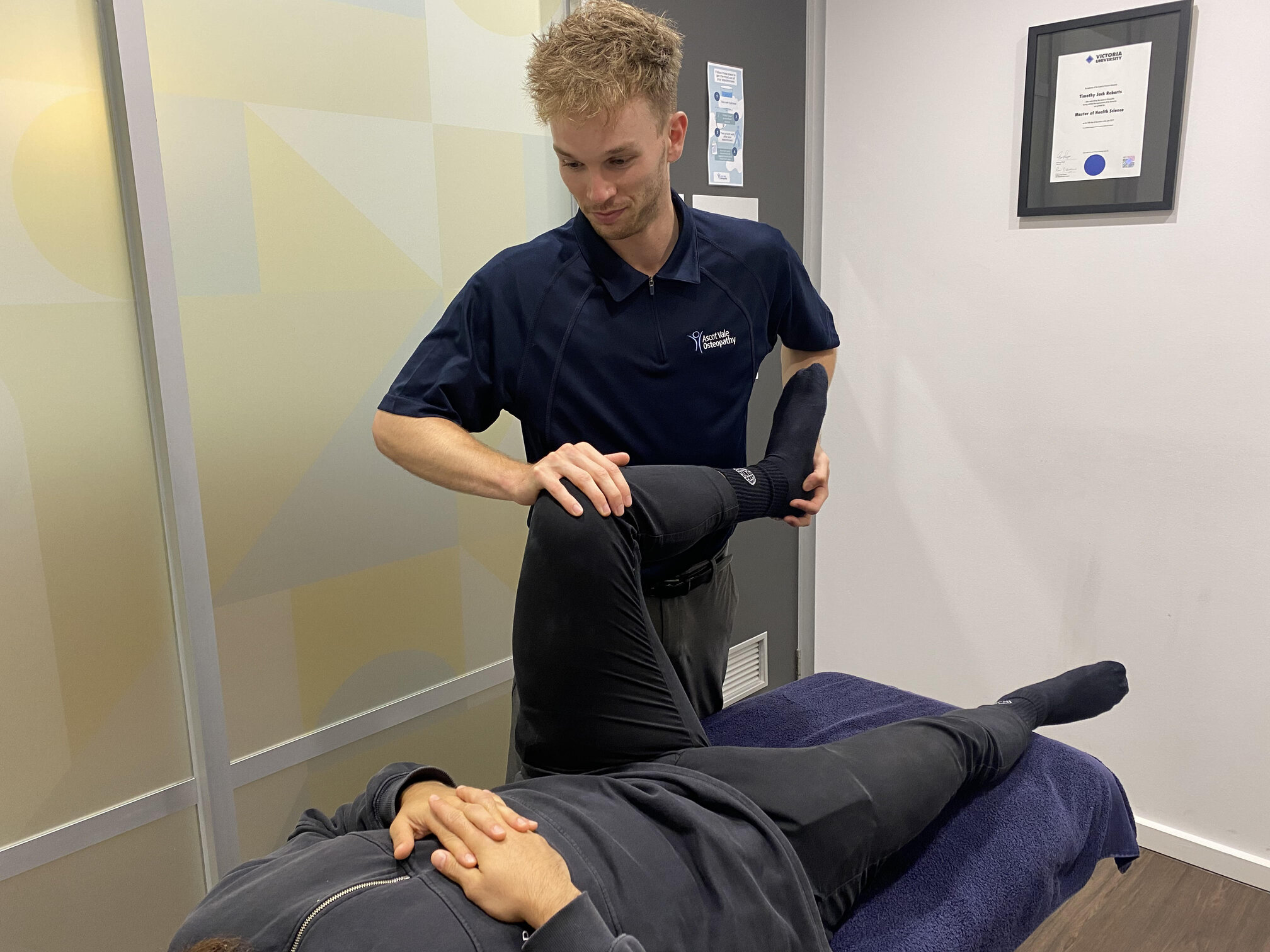
    Osteopaths and other manual therapists have often been called “magicians”. While that’s a flattering compliment, the reality is a bit more grounded in science.  When you come to an osteopathic clinic, you’re usually in pain. That pain might have been there for 6 hours, 6 months or 6 years. Sometimes, after just one session, you can walk out feeling almost pain?free. It can feel like magic—but there’s a clear reason behind it.

    How does manual therapy work?

    When osteopaths rub, crack, needle, cup and articulate, they are working with your central nervous system. In simple terms, they are sending signals to your brain that an area is safer than it thinks, so it can reduce its “protective” response.
    Pain is one of the brain’s protection tools. Your brain uses pain to reduce the risk of something bad happening to a part of your body—whether or not there is actual tissue damage.
    • When you roll your ankle, you get pain, swelling, redness, warmth and loss of function. This is usually due to real tissue damage.
    • When you “jar” your neck, there is often no tissue damage, but you still feel pain and stiffness. Receptors in your spine tell your brain that the area is under too much load. In response, the brain tightens the muscles around your neck to protect it.
    In both situations, you feel pain, but what’s happening under the skin is different. In the ankle, damaged tissue is sending pain signals. In the neck, the brain is creating pain as a warning, even without structural damage.
    In both cases, osteopaths aim to reduce pain and restore function as quickly and safely as possible. Sometimes hands?on treatment alone is enough to make a big change. Other times, your osteopath will also prescribe exercises for you to do at home. This “homework” is a crucial part of your recovery.

    Why your “homework” matters

    When you’re in pain, your body cleverly finds ways to keep you moving. It creates compensations so you can function, even when one area isn’t working well.
    For example, if your neck is painful and stiff, your shoulders, upper back and arms may start doing extra work to make up for the lack of movement in your neck. Over time, this can overload those areas and cause new pain.
    Rehabilitation exercises help break this cycle:
    1. Settle the injured area
      Early on, your osteopath may prescribe gentle stretches or self?massage techniques to reduce pain and tension.
    2. Restore normal movement
      When it’s safe, you’ll progress to movement?based exercises. These help reintroduce normal motion and function to the previously injured area so each part of your body can go back to doing its own job.
    3. Build strength and confidence
      Once pain has eased and movement has improved, strength exercises are added for both the injured area and the surrounding regions. This helps reduce the risk of the same injury happening again.
    Your brain “remembers” areas that have been injured. If you strengthen those areas, you give your brain more confidence in that part of your body. This can reduce its need to protect the area with pain and sensitivity.
    The bigger picture
    Most of us will experience pain at some point in our lives. It’s not pleasant, and no one wants it to keep coming back. With the right guidance, some effort and persistence, you can:
    • Reduce your pain
    • Restore your function
    • Lower the chance of the same problem returning
    Manual therapy can help kick?start this process, but your active involvement—especially with your exercises—is what turns “magic” into long?term change.

    Book your appointment with an Osteopath HERE.

    One thought on “Manual Therapy and Exercise – A Recipe for Success

    1. Comment icon
      Yvette says:

      Great post Tim! Very informative and makes lots of sense! I personally have had great results with this combined approach, so important to do that homework for optimal function! Thank you!

    Leave a Comment

    Your email address will not be published, all comments are approved before posted

    YOU MAY ALSO LIKE...

    Anti-Inflammation Diet

    There is a lot of interest in anti?inflammatory diets at the moment, and for good reason. Chronic inflammation is very common a...

    read more

    Injury Prevention: How accurate can we be?

    Injury prevention is every athlete’s dream. Imagine being able to do what you love—exercise, sport, outdoor activities—without getting injured. While that sounds ideal, the reality is a bit more complex.

    Can we rea...

    read more

    Psoas – Back pain and Breathing

    Psoas is a strong and powerful muscle, yet often overlooked, and tt can be responsible for a host of ailments. The Psoas muscle originates from the T12 and Lumbar spinal segments, where it blends in with fibers of the diaphragm (your primary breathing ...

    read more

    Strengthen Your Core

    What is your core?

    Your core is a group of muscles that sit in your torso. They stabilise and control the pelvis and spine. When most people think of their core, they picture a chiselled six?pack. In reality, the core goes much ...

    read more

    Take A Deep Breath

    Breathing is one of the most basic and fundamental functions of the human body, yet many of us don’t do it well. We often ignore our breathing until it becomes uncomfortable or abnormal. What we don’t always realise is how important our breath is for ...

    read more